




Physical retail is entering a brand-new era where success is no longer defined by footfall alone, but by how long consumers choose to stay and how these retail spaces ultimately make them feel during their visit.
New insights conducted by Sicilian Avenue, London, highlight a decisive shift in consumer behaviour trends: shoppers are becoming more selective about where they spend both their time and their money. Rather than frequent, convenience-led visits, today’s consumer is prioritising quality and experience.

More than six in ten (61%) consumers, as reported by Bidfood’s ‘Food and Drink Trends 2025’ report, are now drawn to venues that offer an experience beyond just food and drink – this highlights a shift toward fewer, more intentional visits where quality and engagement matter more than frequency.
This is a clear insight into how the UK high street is evolving away from purely transactional spaces, becoming more centralised around culture, community, experience, and a place for consumers to immerse themselves in their surroundings. Particularly as an outstanding 88% of people said that they would visit Sicilian Avenue for dining and drinks, which is a clear indication for curated, pedestrian-first destinations designed for lingering, and no city hustle and bustle.

Designing for dwell time
Urban design is playing a critical role in enabling this shift. Pedestrianised streets, in particular, are proving effective in encouraging longer visits and blended usage across retail and leisure hotspots.
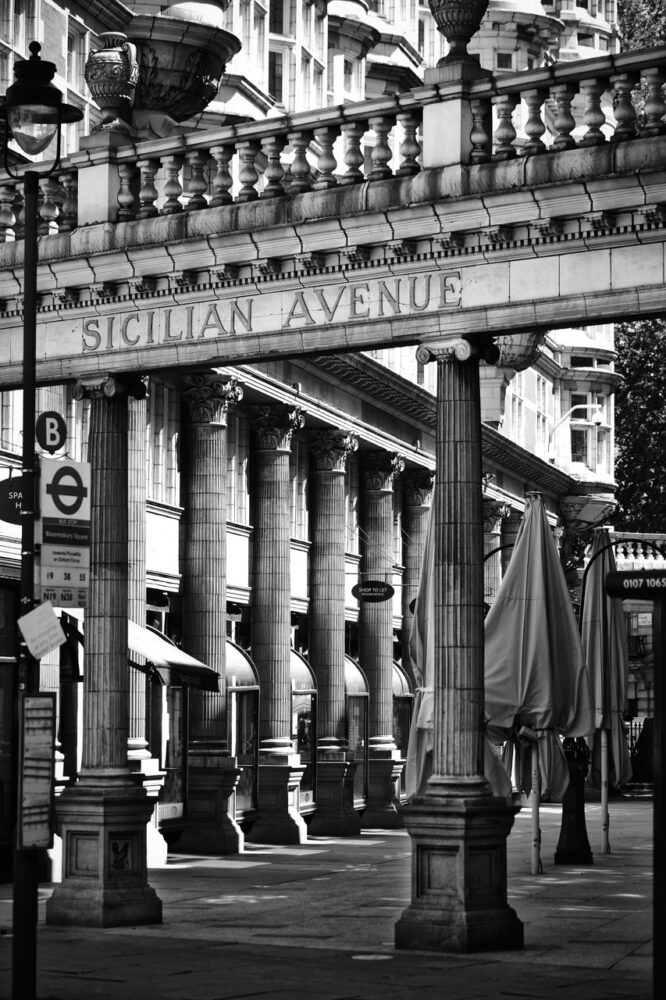
Sicilian Avenue demonstrates how pedestrianisation can actively enhance a destination’s appeal and commercial performance. As one of London’s earliest purpose-built pedestrian-friendly streets, it offers a calm, traffic-free environment that encourages people to slow down, spend time and engage more deeply with their surroundings, their history and the culture that oozes from the paths they walk on.
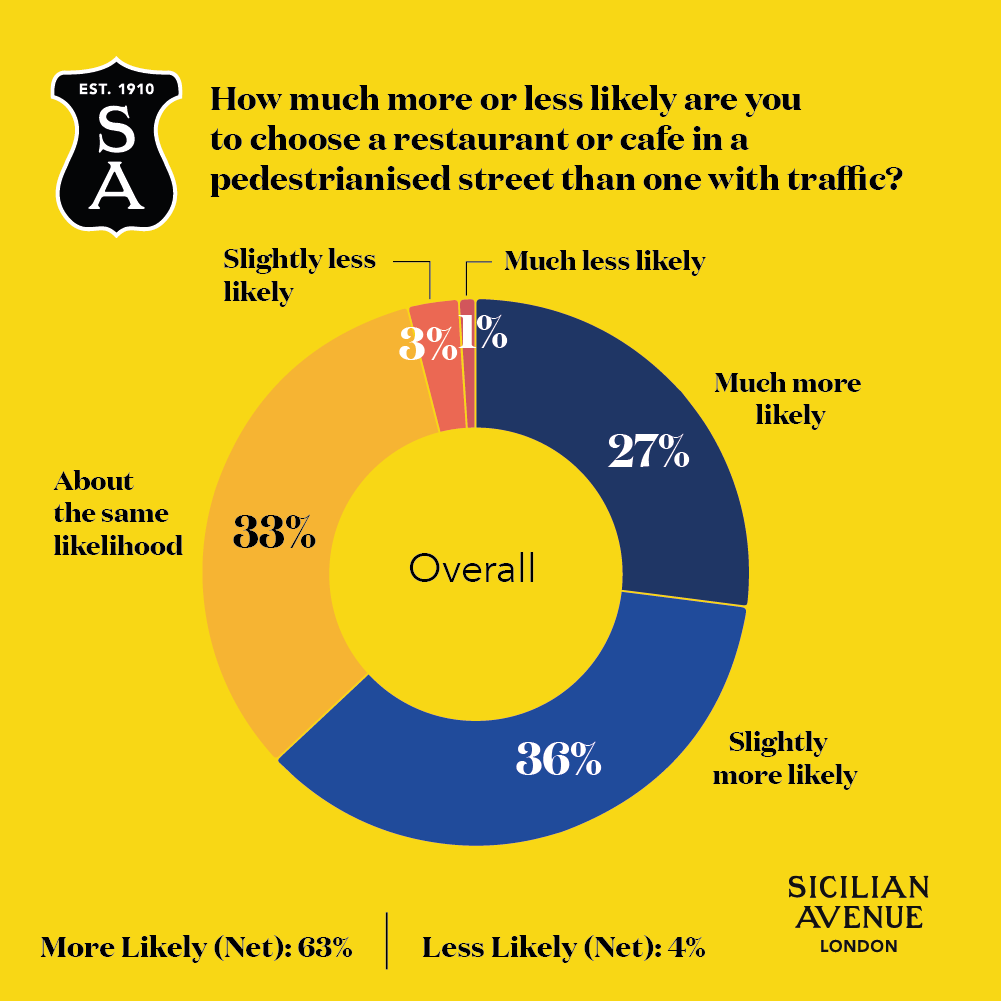
Research from Sicilian Avenue shows that 63% of consumers are more likely to choose dining and social venues in pedestrianised locations, largely because they feel more serene and enjoyable. A people-first design can drive both footfall and spend within the retail hub.
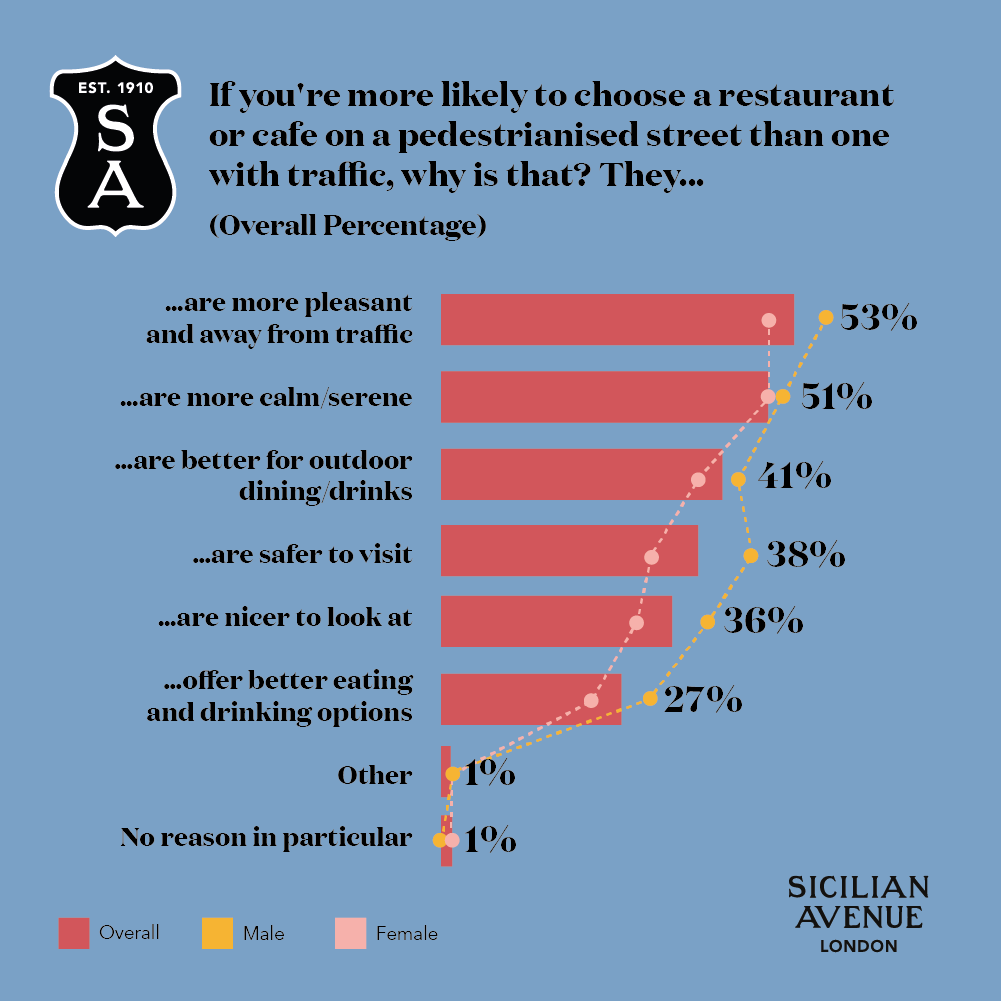
By reducing noise, traffic, and external stress, pedestrian-friendly environments create conditions for consumers to slow down, explore, and spend more time in a ‘safe’ space. This also supports a diverse ecosystem of retail, food, and beverage offerings, as well as social interactions.
From convenience to connection
For decades, physical retail competed on convenience, with factors such as location, availability, and speed. Today, that battleground has shifted.
With e-commerce dominating the speed and efficiency, physical environments must now compete on something different – how they look and feel.
Industry analysts increasingly point to the importance of emotional engagement, storytelling and community building in driving footfall and customer loyalty. Shop fronts are becoming showrooms, social hubs, and centres for people to meet and interact with others – it’s a place that digital channels cannot replicate.
Sicilian Avenue is a powerful example of this principle. Built in the early 20th century and inspired by classical Italian architecture, the street was designed as a consumer-friendly arcade from its inception, creating a distinctive sense of place that has endured for over a century. Its arches, proportions, and architectural detailing contribute to its strong visual identity that naturally encourages people to slow down and explore. This sense of history and character gives the destination an inherent storytelling advantage, where the environment itself becomes part of the visitor experience – reinforcing why emotionally resonant, place-led design is becoming central to the future of physical retail.
The takeaway for operators
The implication for retailers, landlords and hospitality operators is clear: presence matters more than throughput. When 63% of visitors say they are more likely to choose a restaurant on a pedestrianised street, it’s evident that environment and experience are now driving decision-making as much as, if not more than, convenience.
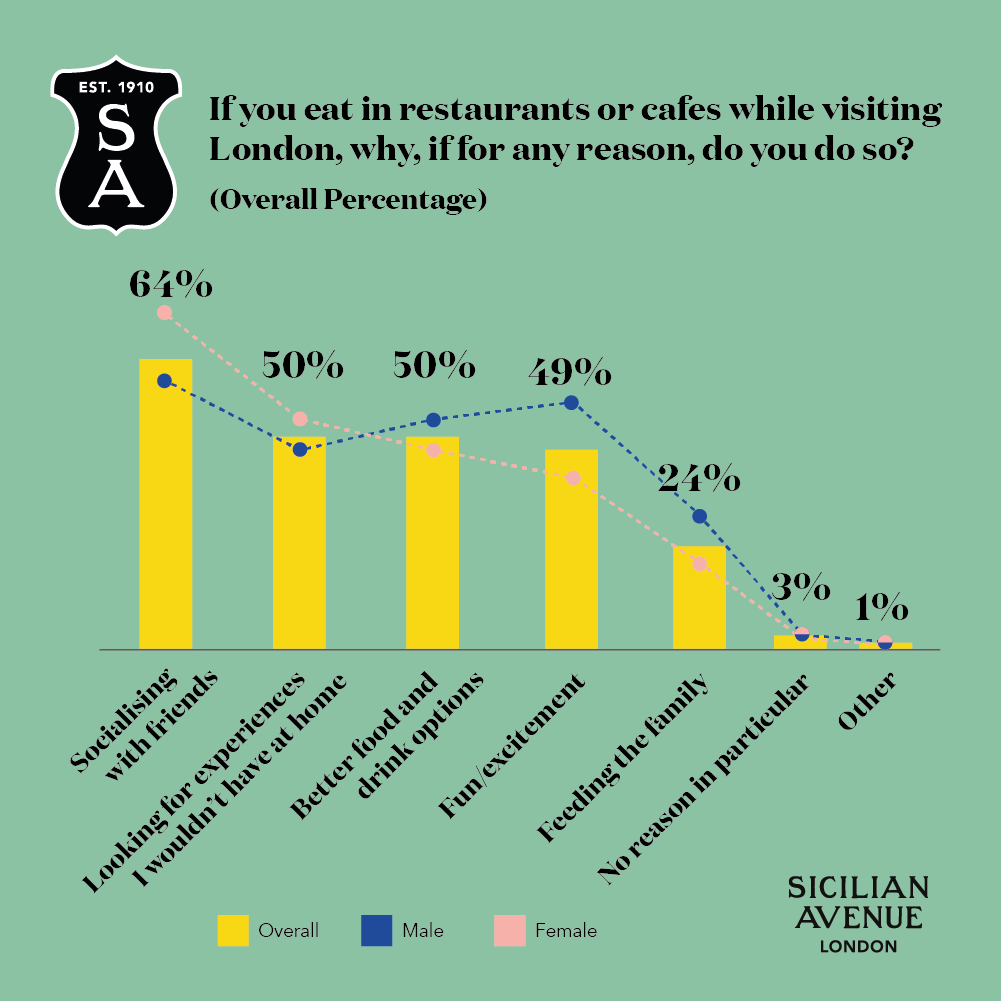
As the high street continues to evolve, the winners will be those who recognise that physical retail is no longer just a place to transact, but a destination people actively choose to spend time in. This is reinforced by Sicilian Avenue’s research that 64% of visitors go to restaurants and cafés primarily to socialise, while 50% seek experiences they simply cannot recreate at home.
Consumers are no longer asking, “What can I buy here?” but rather, “Is this worth my time?”
That shift is underpinned by rising expectations: 52% of visitors say they are now more likely to seek out premium experiences than in 2019, rising to 64% among 25–34s. And those experiences are defined not just by product, but by how they make people feel, with 59% citing quality of service as the single most important premium factor.
In this context, success is no longer measured purely in transactions, but in time well spent, creating environments where people choose to stay longer, return more often, and ultimately, spend more meaningfully.
In this new era of retail, it is not just footfall that drives growth, but the ability to create places where people want to be.
The post Why The Future Of Physical Retail Is Measured In Time, Not Transactions appeared first on 365 Retail – Retail News and Events.