




Nearly a third of retail devices are running operating systems four or five generations behind, according to research from Omnissa.
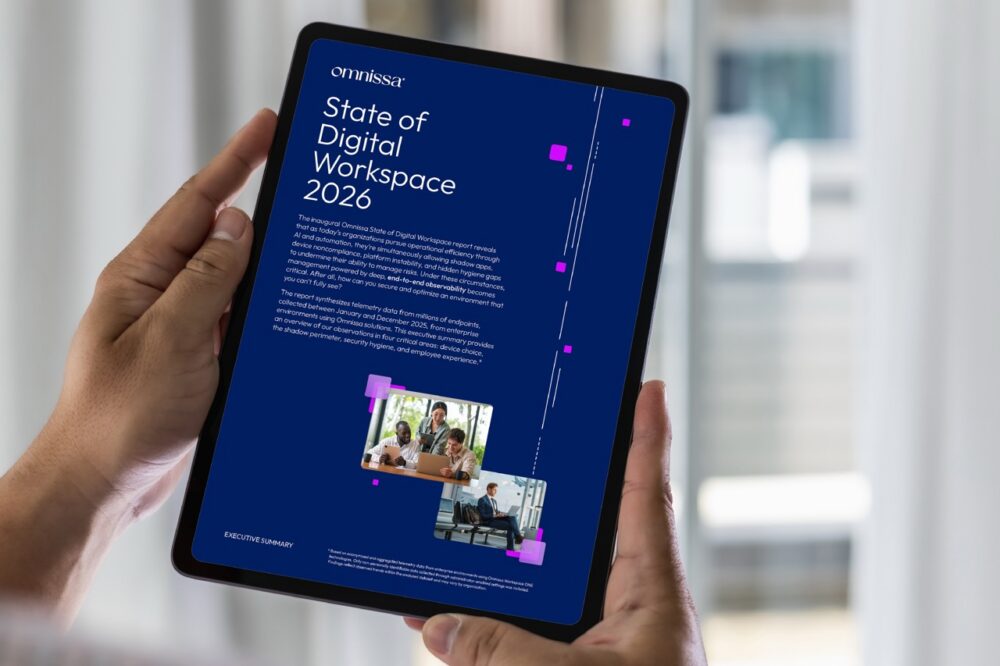
The finding forms part of Omnissa’s State of Digital Workspace 2026 report, which is based on data from millions of enterprise devices.
Retail Systems Fall Behind
Retail was identified as one of the weakest sectors for operating system updates. The report indicates that many devices remain tied to older inventory and store management software that cannot easily be upgraded.
The use of AI assistant applications has also increased by close to 1,000% year on year. Employees are increasingly installing or accessing consumer tools including ChatGPT and Gemini on work devices outside IT oversight.
Retail Cyber Risks
The findings come amid increased scrutiny of cyber resilience in retail. Incidents affecting Marks & Spencer, WHSmith and The Works have demonstrated how compromised systems can interrupt trading and wider business operations.
The Omnissa findings also follow research released by the Retail Technology Show. Its survey of more than 1,000 shoppers found that 36% had been contacted by a retailer during the previous 12 months to warn that their data had been compromised, rising to 53% among Gen Z respondents.
The Government’s Cyber Security Breaches Survey 2025 found that 44% of businesses in the retail and wholesale sector regarded cyber security as a low priority, compared with 27% of businesses overall.
Real-Time Device Visibility
The report identifies real-time visibility as a way for IT teams to understand device health, prioritise updates and reduce disruption, rather than relying on static reports or assumptions.
The findings and methodology are detailed in Omnissa’s State of Digital Workspace 2026 report.
“`
The post One in Three In-Store Retail Devices Is Running Software Years Out of Date appeared first on 365 Retail – Retail News and Events.