



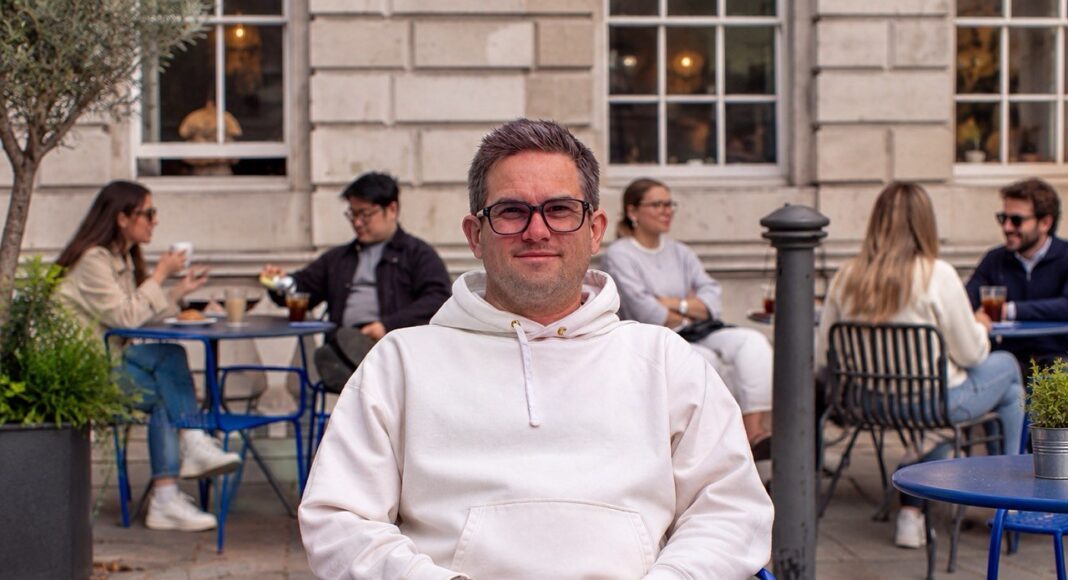

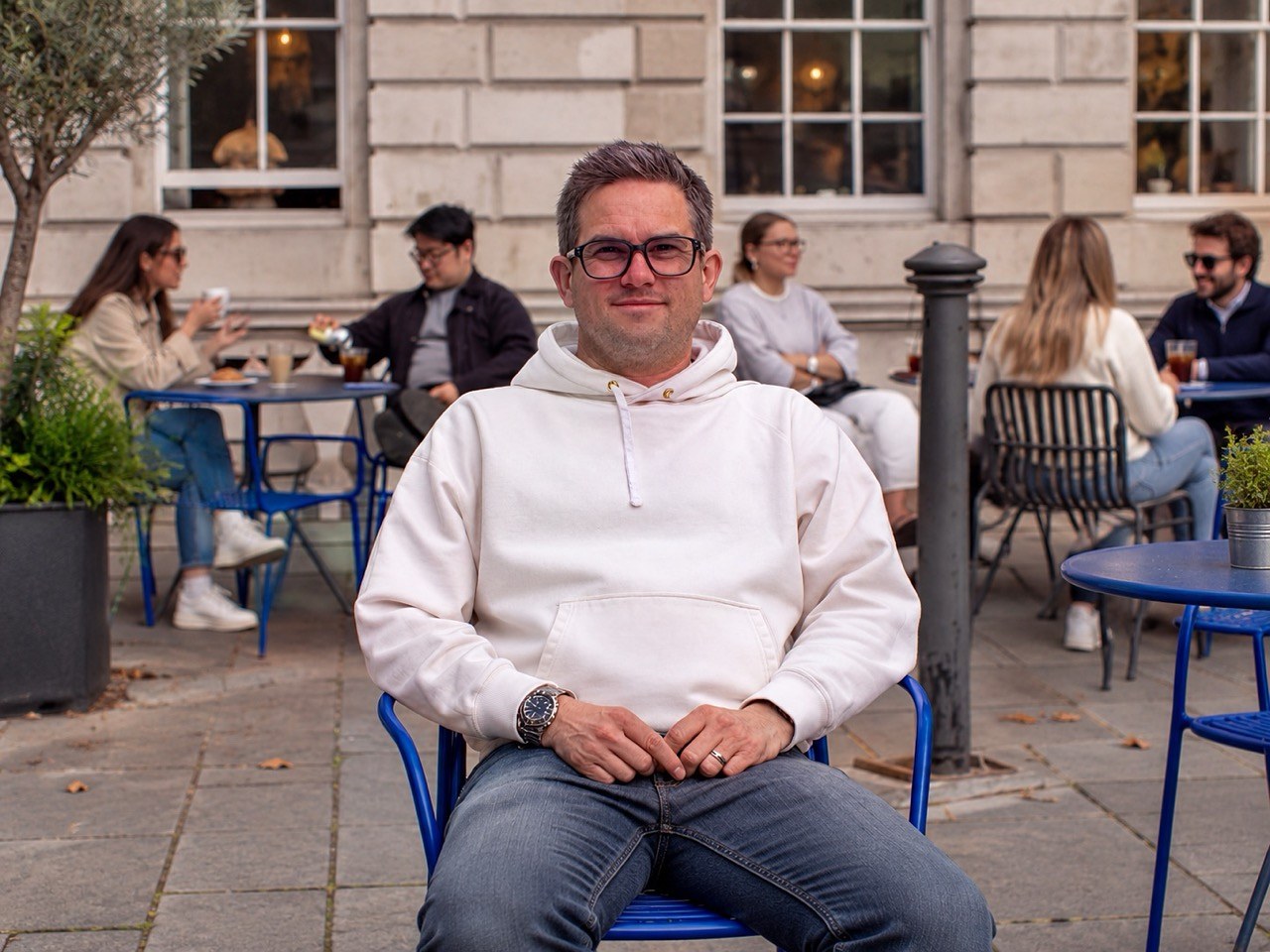
James North set up Northbanks to help brands, agencies and retailers bring their ideas to life in physical spaces. Based in London, the studio takes projects from the first creative concept through to technical delivery, and its work spans jewellery, beauty and fashion, from Astley Clarke’s Covent Garden flagship and Dinny Hall’s stores to concessions and pop-ups at Liberty London and Selfridges.
That mix of creative ambition and practical delivery is central to Northbanks, and it runs through North’s thinking on retail. He believes a good store begins with understanding why someone has made the effort to visit, and that a strong idea becomes far more valuable once the budget, materials, staffing and day-to-day running of the space have been thought through.
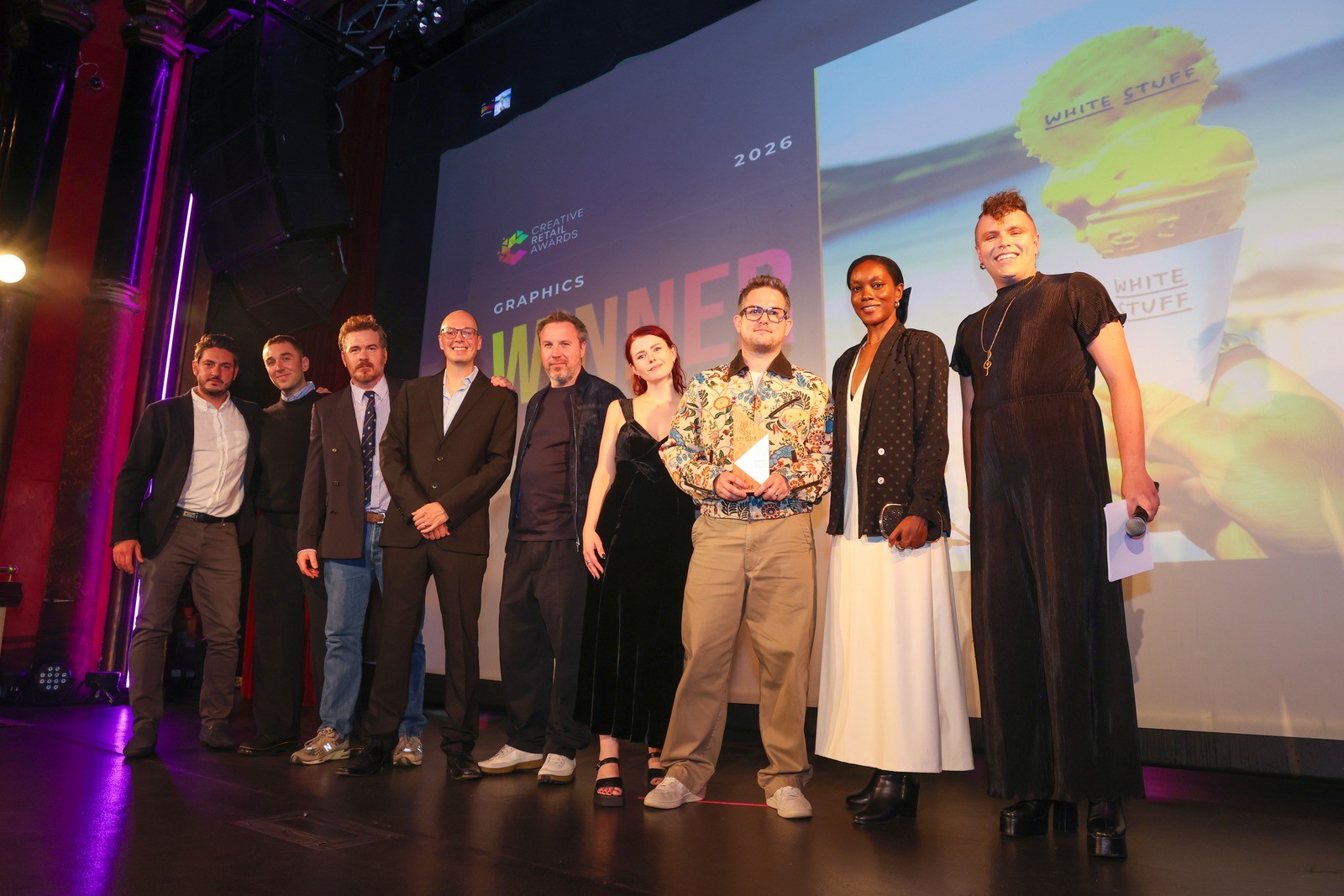
Some of that thinking was recognised at the Creative Retail Awards 2026, where the independent judging panel named White Stuff’s 40th Birthday Summer Tour, delivered with Northbanks, the winner of the Graphics category. The project turned a restored vintage ice cream van into a travelling brand space that toured busy coastal locations, and Northbanks was also shortlisted in several other categories.
In this Q&A, North discusses what makes a retail experience worth the visit, how to balance creativity with commercial performance, where technology helps or gets in the way, designing displays for a longer working life and why a store should keep improving after opening day.
Retail experience has become a much broader term than store design alone. What do you think makes a genuinely successful retail experience today?
For me, it starts with understanding why someone has made the effort to visit. They might want advice, to try something, to discover something unexpected or simply to enjoy spending time with a brand. The space needs to make that visit worthwhile.
Design shapes all of that: how welcoming the entrance feels, how easily you find your way around, the lighting, the sound, the product presentation and the conversations you have.
I also think we sometimes make “experience” sound more elaborate than it needs to be. A beautifully presented product, a knowledgeable person and enough space to explore can be incredibly effective. Success is someone leaving feeling that their visit was worth their time, with a reason to come back.
There is often pressure for brands to create something visually striking, but a store still has to work commercially. How do you balance creativity with practical considerations such as customer journey, dwell time and ultimately sales?
We start by getting clear about what the space needs to achieve. Are we encouraging discovery, helping people choose, introducing a new category or making a purchase easier? That gives the creative work a purpose.
Then we look at where the investment will make the biggest difference. I’d put money into the things people see, touch and use, alongside less obvious essentials such as lighting and staff access.
You also have to question the measures. Longer dwell time could mean someone is enjoying a consultation, or struggling to find what they need. Context matters.
And we bring delivery into the conversation early. Understanding the budget, materials and construction helps us develop ambitious ideas that can actually be built well. Creativity becomes much more valuable when you’ve thought through how it will work.
Retailers have access to more technology than ever before, from digital displays and interactive installations to AI and personalisation. Where do you think technology genuinely improves the physical retail experience, and where can it become a distraction?
I’m interested in technology when there’s a clear benefit for the person using it. Checking availability, understanding a product, visualising a choice or getting better advice are all useful starting points.
Some of the most valuable applications may sit behind the scenes. AI could help staff access relevant product knowledge quickly, for example, giving them more time and confidence to help a customer.
It becomes a distraction when the interaction demands more effort than the problem it solves. Having to download an app or navigate several screens for a simple answer can interrupt an otherwise good visit. Accessibility is part of this: technology should support good, inclusive design rather than replace it, so every digital touchpoint must be easy for everyone to use, whatever their needs.
I’d always ask who will maintain it, update the content and help when something goes wrong. Those decisions are part of designing the experience too.
Customers now move constantly between physical stores, websites and social media. How has this changed the role of the physical store and the way retail environments are designed?
People can arrive knowing a huge amount about a brand before they’ve ever walked through its doors. The store has to live up to that familiarity and give them something more to explore.
Our work with Jones Road Beauty at Liberty is a good example. We translated a brand with a strong digital identity into a physical environment, with consultation and product testing central to the layout. Materials, proportions and the way people interact all contribute to how the brand feels in person.
It also changes how I think about the value of a visit. Someone might discover a product online, try it in store and buy later. The store can play an important part in building their confidence, even when the transaction happens elsewhere.
What changes are you seeing in what retailers and brands are asking for? Are briefs becoming more ambitious, more experience-led or more commercially focused?
All three, often within the same brief. Brands want a distinctive space, a compelling reason to visit and a clear role for that investment in the business.
In our work, that can mean helping a brand enter a new market, turn an established identity into its first physical space or develop a concept that can work across several locations.
There’s also more emphasis on how a space can evolve. Can it accommodate a different collection, another campaign or a new way of selling without needing a complete rebuild?
That makes the brief broader. We need to understand the ambition for the brand alongside the practical realities of budgets, operations and delivery. Those conversations help us make better decisions from the beginning. When ambition and practicality are aligned from day one, the space can do far more for the brand.
Sustainability remains an important consideration, particularly when brands regularly refresh stores, displays and activations. Where do you think the industry is making genuine progress, and where is there still work to do?
The most useful progress I see is in designing things to have a longer working life: components that can be repaired, displays that can be reconfigured and systems that can move between locations.
With Alex Monroe, we developed a modular display system to support the brand’s ambition to remove plastic from its point-of-sale displays. Adaptability was central to the brief, so components could accommodate different spaces and collections.
There’s still work to do on what happens afterwards. Who stores it? Who repairs it? How will it be transported and used again? Those questions need answers while the project is being designed.
I’d also like to see more evidence of what actually gets reused. Specifying a material is one decision; understanding the life of the whole installation takes much more thought.
With ecommerce offering convenience and choice, what can a physical store offer that a digital experience simply cannot replicate?
There’s a kind of confidence that comes from experiencing something for yourself. Sometimes an image online can look completely different to in person. You can feel the weight of a piece of jewellery, see a colour against your skin, understand the scale of an object or notice how something has been made.
Then there’s the human element. A good member of staff can pick up on hesitation, ask the right question and introduce you to something you hadn’t considered.
Physical retail can also be social: shopping with a friend, having a treatment or enjoying a discovery together. I think that gives us a rich starting point for design. We can create places people enjoy being in, where the product and the people make the visit memorable.
Northbanks is supporting the Retail Experience category at this year’s Creative Retail Awards. When you look at the strongest retail projects being created today, what separates a memorable experience from one that simply looks good?
I’m drawn to projects where you can see a strong idea carried through into the details. The space feels specific to the brand, and the experience makes sense for the people using it.
A photograph can show you the concept, but I want to understand what happens when the store is busy. Can people move comfortably? Is it clear where to go? Can staff serve, replenish and keep things looking good?
There should be room for surprise and theatre too. The strongest projects make those moments feel natural to the brand.
That’s what interests me about this category: the thinking behind the whole experience, including the details you might only appreciate once you’re there.
Looking ahead to 2027 and beyond, what developments do you think will have the biggest influence on how physical retail spaces are designed and experienced?
I think adaptability will have a big influence. Brands need to respond to changing ranges, locations and customer expectations, so the ability to alter a space without starting again will become increasingly valuable.
That affects some very practical decisions: how fixtures connect, how lighting can be adjusted, how services are accessed and which parts of an installation can be retained.
I also expect AI to influence how people discover products and arrive at decisions. If customers come in with a well-researched shortlist, the visit may focus more on testing, reassurance and expert advice.
For designers, that means planning for several possible uses of a space. We can give a store a strong identity while allowing its layout and activities to develop over time.
If you could challenge the retail industry to rethink one convention about the physical store, what would it be, and why?
I’d challenge the idea that opening day is the point at which the design is finished.
We put enormous effort into getting a store ready, but trading teaches you things that drawings and walkthroughs can’t. You see where people hesitate, what they overlook, which displays invite interaction and what the team finds awkward to operate.
I’d like a review after opening to be a normal part of the brief, with time and budget for sensible adjustments. Sometimes moving a fixture, changing the lighting or improving access to storage could make a meaningful difference.
Opening day should be a proud moment. Then we should stay curious about how the store actually works and keep improving it.
Northbanks was also a premier partner of the 2026 awards and supports the Retail Experience category, while North is vice president of the Shop & Display Equipment Association (SDEA).
The post Q&A: James North, Founder, Northbanks appeared first on 365 Retail – Retail News and Events.