



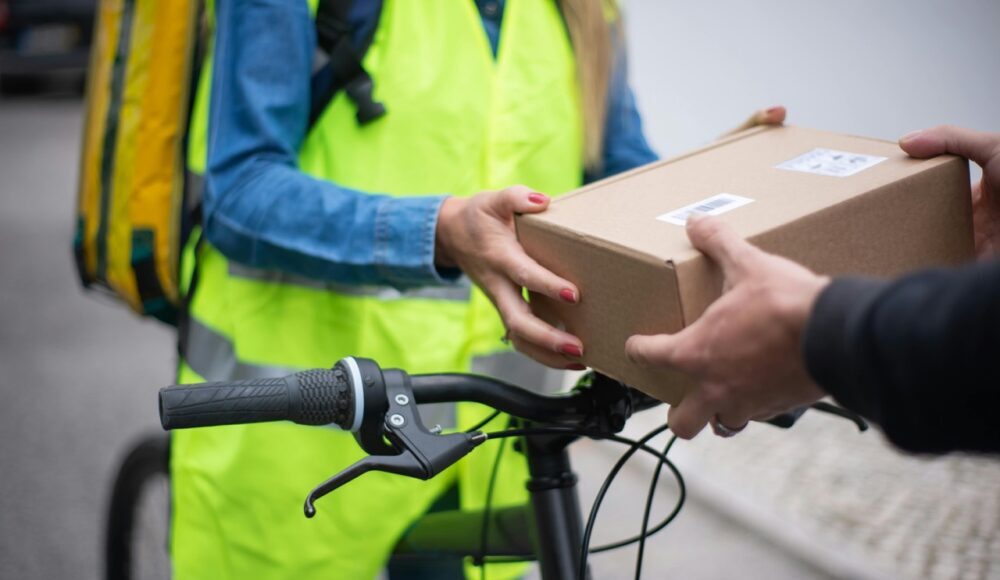

CACI, the data specialists focused on people and place, has unveiled the changing consumer habits that will have a lasting impact on last-mile delivery patterns across the UK. Drawing on its latest Voice of the Nation survey, the analysis highlights how demographic, lifestyle, and behavioural differences are driving demand for more flexible, cost-effective delivery models.
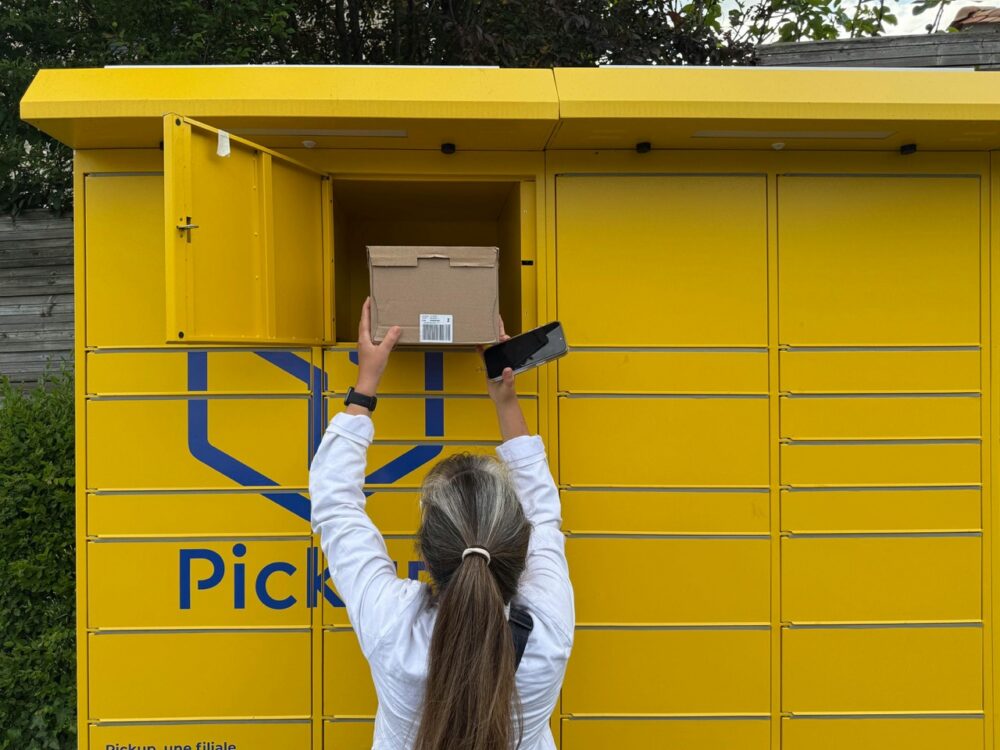
At a demographic level, the data shows a clear generational divide. Gen Z consumers are nearly twice as likely to use Pick Up Drop Off (PUDO) points as other age groups (39% vs 23%), signalling a marked shift in attitudes towards convenience, flexibility, and cost. This is reinforced by lower in-store shopping rates among Gen Z, with just 54% regularly visiting physical stores compared to 76% of older consumers, underlining the direct link between e-commerce adoption and changing delivery preferences.
Lifestyle factors are further accelerating this change. Gen Z spends 12.5% more time in the office than Gen X and Boomers, creating greater variability in delivery locations throughout the week. For operators, this introduces increased complexity and reduced predictability, particularly for home deliveries. As a result, well-connected networks and alternative delivery infrastructure, such as lockers and PUDO points – particularly close to office hubs and residential areas with higher proportions of younger people – are becoming critical to maintaining efficiency and service levels.
While large companies are able to invest in both home delivery and alternative models, smaller and mid-sized operators face greater constraints. CACI’s findings suggest that PUDO is on track to become a primary – and potentially dominant – delivery method as these generational trends continue to evolve.
Despite these shifts, the core drivers behind consumer choice remain consistent. Cost remains the most important factor (88%), followed by trust (66%). PUDO options are typically more affordable, building consumer confidence, which is also reflected across last-mile delivery companies, with greater certainty and saved time from not needing to repeat deliveries, saving as much as £5 per attempt.
Flexibility is also emerging as a defining requirement. With rising living costs and more varied housing arrangements, particularly among younger consumers, PUDO offers a level of convenience that traditional home delivery cannot always match. As a result, last-mile delivery models will need to adapt to increasingly dynamic, on-the-go lifestyles.
Paul Dawsey, Director of Logistics Solutions at CACI, commented, “Last-mile delivery is a hot topic of discussion, particularly at a time when consumer behaviours can shift rapidly. Broadly speaking, expectations have changed, and that’s particularly prevalent for younger generations who have grown up with things like same-day delivery. Cost still rules the roost, but increasingly lifestyle and a demand for flexibility in delivery options are playing a role in decision-making.
“For logistics operators, understanding how consumers are behaving, and, more importantly, why, can help anticipate future shifts and effective adaptation of the operating model, to maximise efficiency and potentially save a lot of money. Operators must stay ahead of these behavioural shifts, otherwise they risk being left behind.”
Together, these trends point to a fundamental shift in how goods are delivered, with long-term implications for logistics networks, urban infrastructure and e-commerce fulfilment.
The post CACI Data Points To Shift In Last-Mile Delivery Habits appeared first on 365 Retail – Retail News and Events.