



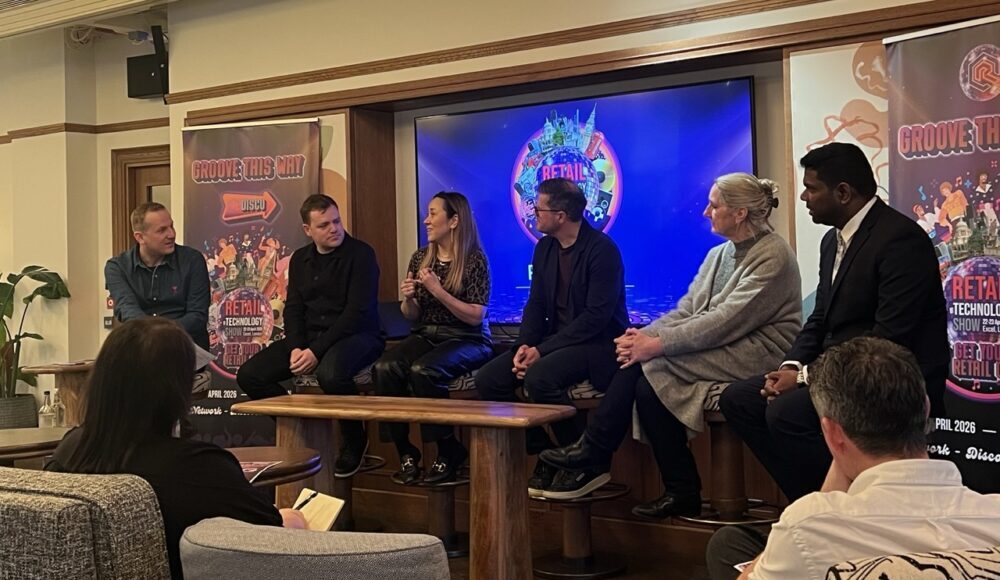

The retail sector’s next phase of evolution will be defined less by the pace of technological adoption and more by how effectively businesses understand their customers, according to speakers at the 2026 Retail Technology Show (RTS) Press Day.
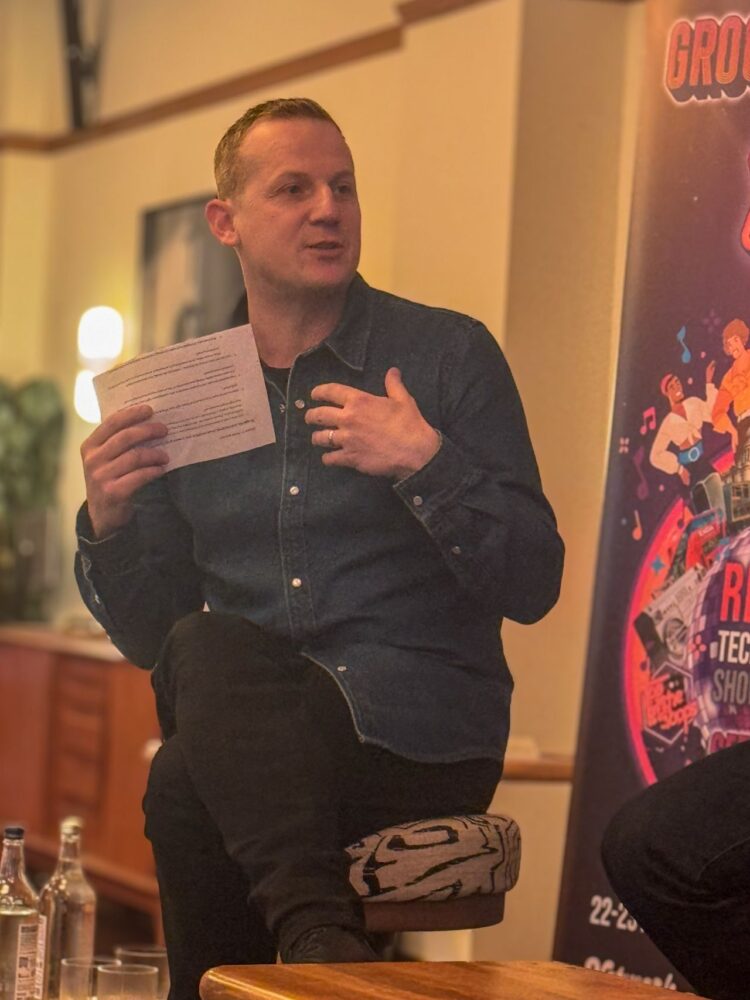
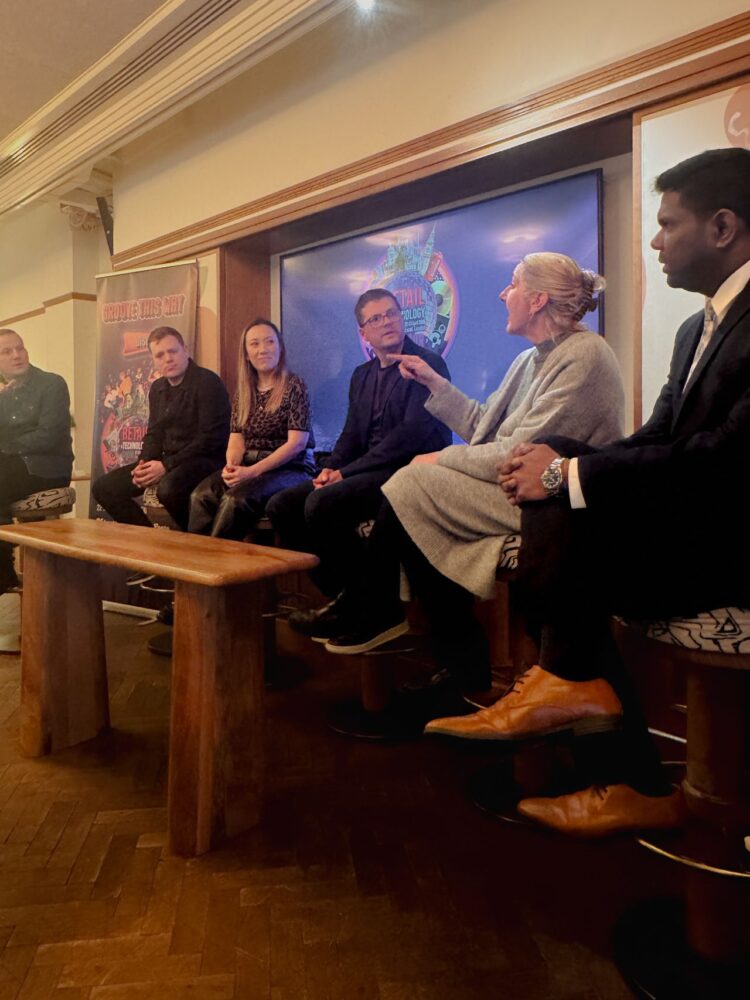
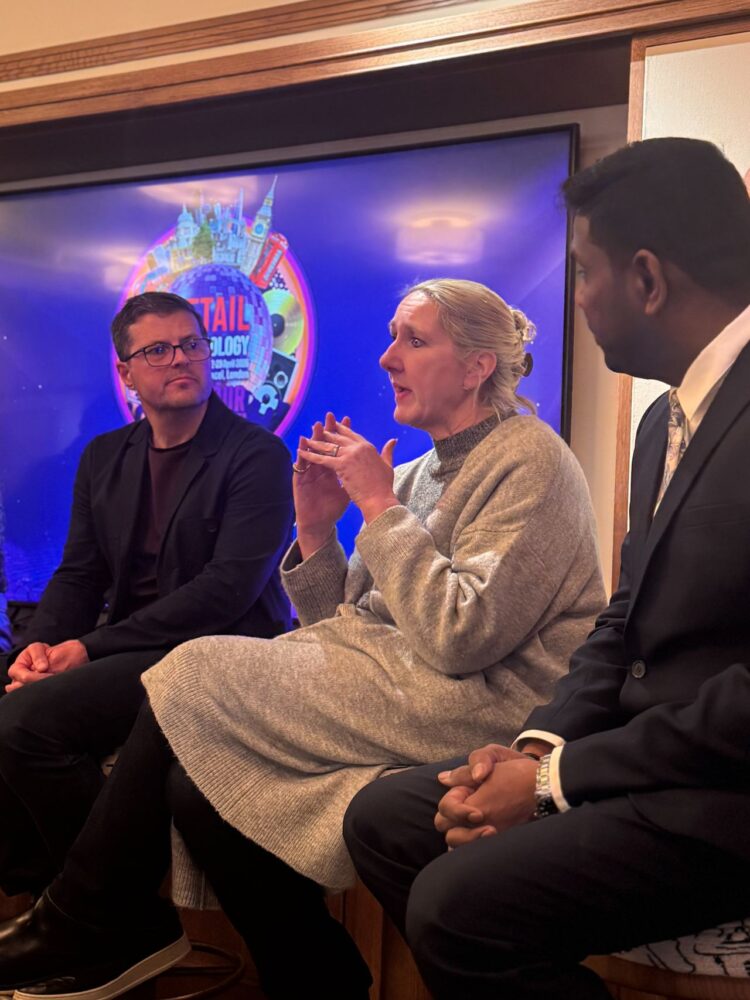
Held in central London, the session brought together senior leaders from River Island, Pentland Brands, Goddiva, Noble Panacea and Azzurri Group, alongside former Burberry and Selfridges executive Giles Smith, who moderated the discussion. The panel explored the realities behind current industry narratives, focusing on customer strategy, artificial intelligence, operational speed and the evolving role of physical space.
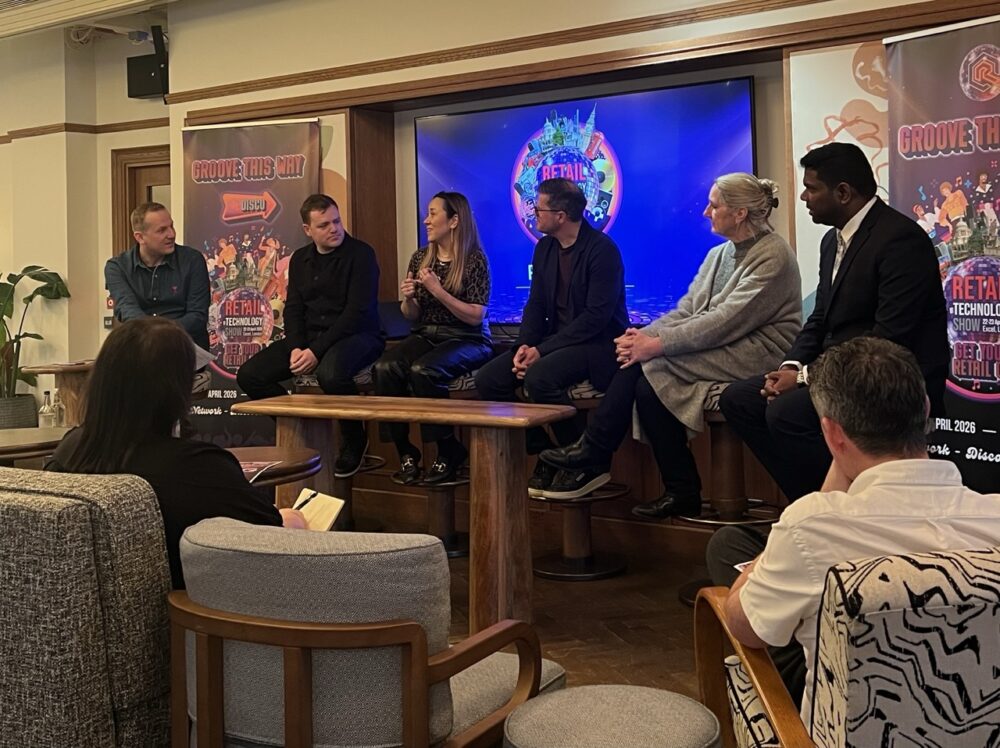
While headlines continue to question the future of the High Street, the discussion reflected a more nuanced picture. Despite ongoing pressure on margins and shifting consumer behaviour, the panel pointed to continued growth among certain brands, the emergence of new channels and the accelerating role of technology in reshaping retail operations.
Customer Understanding Over Technology Hype
However, the consensus was clear: success is not being driven by the adoption of AI alone, nor by pursuing high-profile or experimental technologies. Instead, it is rooted in a longstanding retail principle—customer understanding.
This sentiment was echoed by Meriel Neighbour, Director of Technology at River Island, who described the retailer’s current strategic repositioning.
The emphasis on customer clarity reflects a broader shift towards loyalty, personalisation and long-term relevance, particularly as consumers become more selective in their spending.
Grounded AI and Measurable Outcomes
AI remains central to this transformation, but the panel positioned it firmly as an enabler rather than a solution in itself. Its most immediate value lies in improving efficiency, reducing friction and enabling teams to focus on higher-value customer interactions.
Ana Machado da Silva, VP of Digital Product at Pentland Brands, described how the business is using AI to “automate away repetitive tasks” within customer engagement and care functions.
At River Island, AI has reduced service desk calls from stores by 80% through an internal tool, freeing up staff to focus on customer service delivery.
Yathu Kanagaratnam, Head of Technology & AI at Goddiva, outlined how AI-led personalisation has increased conversion rates from 1.4% to 2.5%, generating more than £1 million in additional revenue.
The panel also highlighted the role of AI in reducing returns through improved sizing and fit tools, alongside wider applications in automation and cost efficiency.
Speed, Agility and Changing Investment Priorities
The acceleration of development cycles was a recurring theme. Tasks that once took weeks or months can now be completed in days, enabling faster testing and iteration.
This shift is influencing how retailers allocate investment, with savings in technology increasingly redirected towards customer acquisition, brand experience and engagement strategies.
Composable technology platforms were highlighted as a key enabler of this agility, allowing retailers to test new solutions, work with emerging suppliers and adapt more quickly to changing market conditions.

The Evolving Role of Physical Retail
The discussion also addressed the future of stores and hospitality environments, emphasising the need for balance between digital innovation and human interaction.


Rather than focusing on visible or disruptive technologies, the panel suggested that the most effective in-store solutions are those that operate in the background, supporting staff and enhancing service delivery.
At the same time, there is growing demand for experience-led environments, particularly among younger consumers seeking more immersive and social retail interactions.
Data, Ownership and the Next Phase
Questions around data ownership, consent and customer relationships remain unresolved as new channels and platforms continue to emerge. Retailers must balance convenience and reach with the need to retain meaningful access to customer data.
Despite these complexities, the outlook remains cautiously optimistic. Faster development cycles, increased accessibility of technology and a more competitive supplier landscape are creating new opportunities across the sector.
The panel concluded that while significant change is underway, the most impactful developments may be incremental, driven by better use of data, clearer problem-solving and a continued focus on customer relevance.
These themes are expected to be explored in greater depth across the two days of the Retail Technology Show, as retailers and technology providers examine how to translate strategy into practical execution.
The 2026 Retail Technology Show will take place at London’s ExCeL on 22–23 April, bringing together more than 16,000 industry professionals.
Receive sector news and insights by subscribing to the FREE 365 Retail newsletter via this link.
Entries are open for the Creative Retail Awards, featuring more than 20 categories across retail, hospitality, and leisure design, with an entry deadline of 1 May. Submit entries via this link.
The post RTS 2026 Press Day Signals Shift From AI Hype To Customer Focus appeared first on 365 Retail – Retail News and Events.